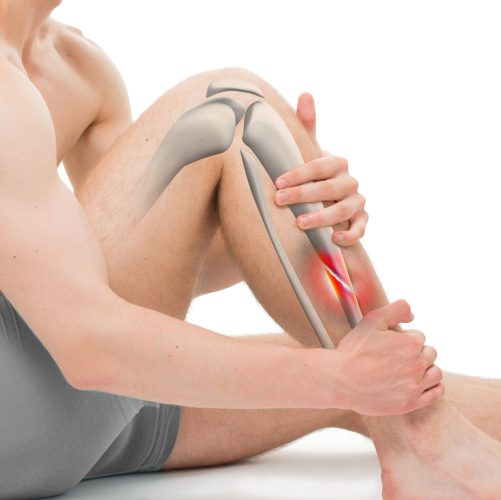
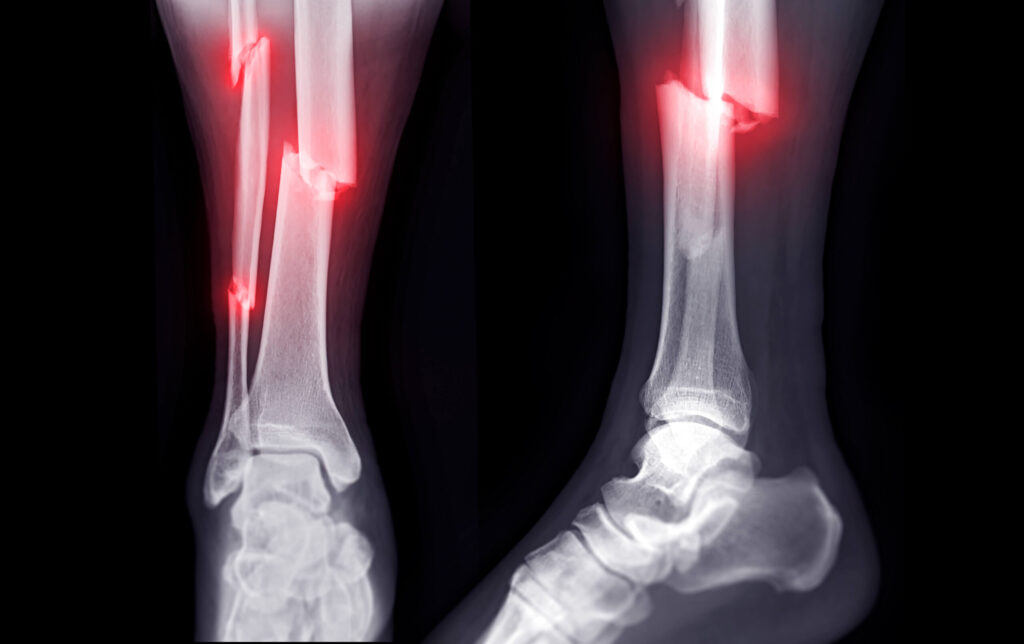
A fracture can be a frightening experience for both patients and family members. One of the first questions many people ask after an injury is: “Does this fracture need surgery?” The good news is that many fractures can heal without surgery if treated properly and at the right time.
According to Dr. Karthik, orthopedic surgeon at Rekha Nursing Home, Yemmiganur fracture treatment depends on several factors such as the type of fracture, bone involved, age of the patient, amount of displacement, and overall health condition.
How Do Fractures Heal Naturally?
Bones have a natural ability to heal themselves. When a fracture occurs, the body forms a blood clot around the broken bone. Over time, this develops into soft callus, then hard bone, and finally remodels into normal bone structure. Proper immobilization is very important during this process.
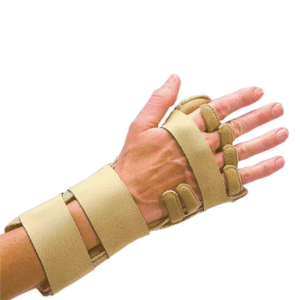
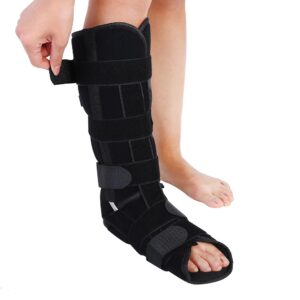
Many simple fractures can heal well with:
At Rekha Nursing Home, Yemmiganur many fracture patients are successfully treated without surgery after careful clinical and X-ray evaluation.
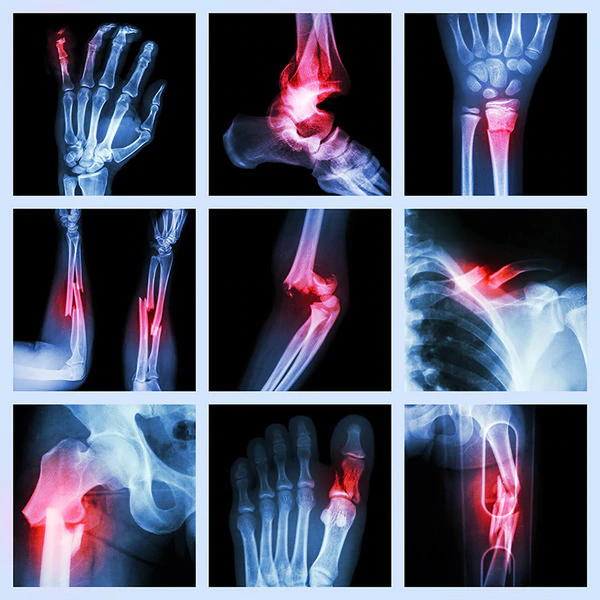
Some common fractures that often heal without surgery include:
Simple wrist fractures
Undisplaced ankle fractures
Collar bone fractures
Certain forearm fractures in children
Toe and finger fractures
Stable rib fractures
Hairline fractures
Dr.T. Karthik (Ms Ortho)
According to Dr. Karthik, Orthopedic surgeon at Rekha Nursing Home, Yemmiganur children especially have excellent bone healing capacity, and many pediatric fractures heal very well with plaster treatment alone.
When Is Surgery Necessary?
Not all fractures can heal properly without surgery. Some fractures become unstable and may heal in a wrong position if surgery is delayed.
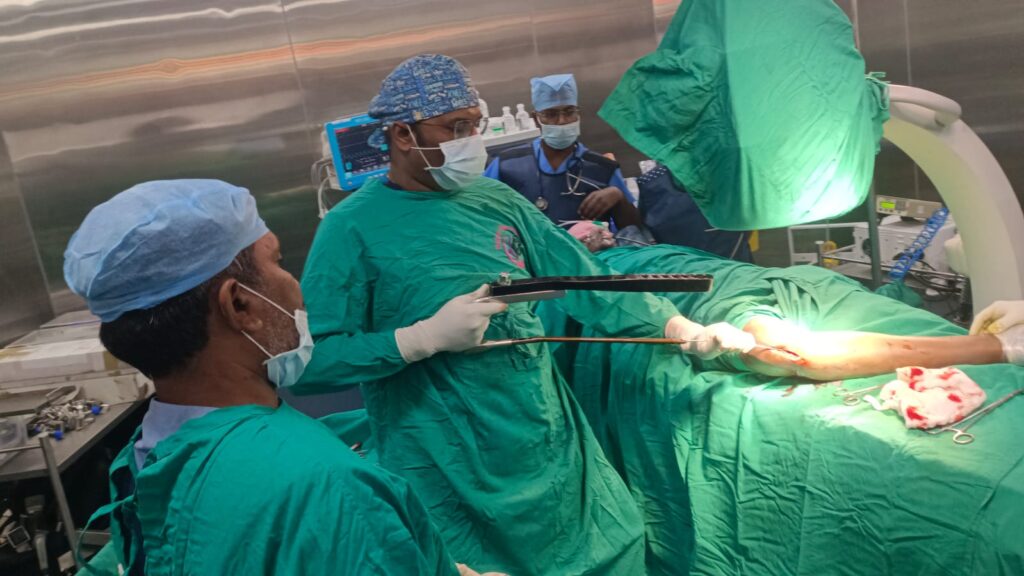
Surgery May be Needed in cases such as:
Open fractures where bone comes outside skin
Displaced fractures
Joint fractures
Hip fractures in elderly patients
Multiple fractures
Fractures with nerve or blood vessel injury
Failed conservative treatment
At Rekha Nursing Home, Yemmiganur every fracture patient undergoes detailed evaluation before deciding whether surgery is necessary or not.
What Happens If Surgery Is Avoided When Needed?
Avoiding surgery in certain fractures can lead to:
Bone healing in wrong position
Deformity
Persistent pain
Reduced movements
Limb shortening
Arthritis
Difficulty walking or using the limb
That is why proper orthopedic consultation is very important after any fracture injury.
Fracture healing time varies depending on age, bone involved, and health condition.
Approximate healing times:
Children: 3–6 weeks
Adults: 6–12 weeks
Elderly patients: Sometimes longer
Conditions like diabetes, smoking, poor nutrition, and infection can delay fracture healing.
Even when fractures are treated without surgery, regular follow-up is essential. Repeat X-rays help ensure that the fracture is healing in correct alignment.
Dr. Karthik Orthopedic surgeon at Rekha Nursing Home, Yemmiganur emphasizes that ignoring follow-up visits may lead to improper healing and long-term complications.
FinalMessage
Many fractures can heal successfully without surgery if diagnosed early and managed properly. However, every fracture is different. A small delay or wrong treatment can sometimes create lifelong problems.
If you or your family member suffers a fracture, consult an orthopedic specialist immediately for proper evaluation and treatment.
For fracture care, trauma management, plaster treatment, and orthopedic consultation, contact Rekha Nursing Home, Yemmiganur